There is nothing quite like opening your windows on a brisk Salt Lake City morning to let the canyon breeze drift through your hallway, clearing out the stale air from the night before. But, as any local knows, that fresh air often comes with a hefty tax in the form of wasps, box elder bugs, and the occasional spider looking for a new roommate. Finding the best insect screens isn’t just about mesh and metal; it’s about reclaiming your Home‘s airflow without surrendering your peace of mind to nature’s tiny invaders.
Why Your Screen Choice Matters in Utah
You might think a screen is just a screen, right? Honestly, that’s what most people think until they are standing in the aisle of a hardware store, staring at five different rolls of mesh that look exactly the same. But here in Utah, our environment demands a little more thought. We have high UV exposure in the summer, heavy snow loads in the winter, and a spring season that involves an explosion of cottonwood seeds that stick to everything.
If you pick the wrong material, you might end up with a screen that sags after one snowy winter or one that blocks that gorgeous view of the Wasatch Front you paid a premium for. High-quality window screens serve a dual purpose: they act as the gatekeeper against pests while serving as a filter for light and air. It’s a balancing act. You want the air in, the bugs out, and the view to remain crisp.
And let’s be real for a second—have you ever tried to relax in your living room while a single fly buzzes against the glass? It’s psychological torture. The right screen setup eliminates that variable entirely.
The Heavy Hitters: Types of Screen Mesh
When we start looking at the actual materials, things get interesting. The Technology behind window screen mesh has actually evolved quite a bit in the last decade. It’s no longer just “wire” or “plastic.”
Standard Fiberglass
This is what you probably have on your windows right now if you haven’t upgraded recently. Fiberglass screening is the industry standard for a reason. It is flexible, doesn’t dent when you accidentally poke it, and it doesn’t rust. It is usually the most affordable option. However, standard fiberglass can tear if you have pets, and over time, the UV rays at our altitude can make it brittle. It’s the reliable sedan of the screen world—it gets the job done, but it’s not turning any heads.
Aluminum Wire
If you want something that feels a bit more substantial, aluminum is the way to go. It’s rigid. It stands up to the weather incredibly well. The downside? If you bump it hard enough, or if a hail storm comes through sideways, it can dent. And unlike fiberglass, which bounces back, aluminum holds that dent forever like a bad memory. But for structural integrity, especially on larger windows, it’s a solid contender.
Polyester (Pet Screen)
Here is the thing about living with cats or dogs: they view screens not as barriers, but as challenges. Or scratching posts. Pet-resistant screens are made from vinyl-coated polyester. They are incredibly tough. You could practically throw a baseball at them (please don’t, though). The trade-off here is visibility. Because the strands are thicker to withstand claws, the screen is darker and slightly more visible to the human eye. But if it means not replacing your screens every three months, it is worth it.
Visibility vs. Durability: Finding the Balance
This is usually the biggest debate we have with homeowners. Everyone wants a screen that is invisible, but they also want one that lasts for twenty years. Physics, unfortunately, suggests you have to compromise somewhere.
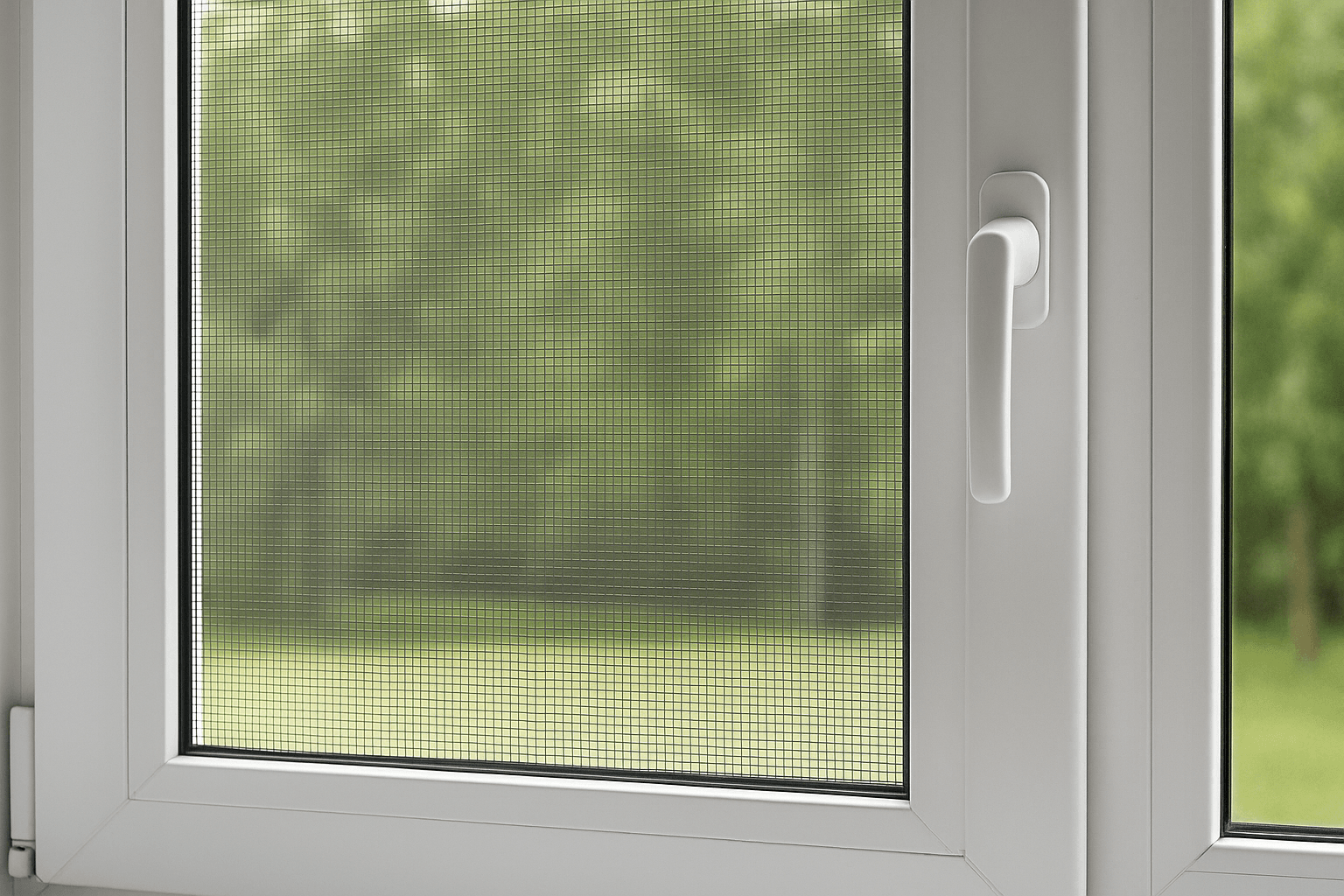
However, newer Products like UltraVue or BetterVue are changing the game. These are what we call “invisible screens.” They use a finer mesh diameter which allows for better airflow and significantly clearer views compared to standard fiberglass.
| Feature | Standard Fiberglass | Pet Screen (Polyester) | UltraVue (High Visibility) |
|---|---|---|---|
| Durability | Moderate | Extreme | Moderate |
| Airflow | Good | Fair | Excellent |
| View Clarity | Standard | Reduced (Darker) | Crystal Clear |
| Glare Control | Low | Medium | Low |
If your home looks out over the valley or up towards the mountains, I almost always recommend leaning toward high-visibility screens. You don’t want a grid pattern overlaying your view of the sunset. It’s subtle, but once you switch to a high-clarity mesh, you realize how much “noise” standard screens add to your visual field.
The Heat Factor: Solar Screens
We have to talk about the heat. July and August in Salt Lake City are brutal. Your AC unit is working overtime, and your windows are essentially magnifying glasses heating up your floors and furniture.
Solar insect screens are a fantastic hybrid solution. They are woven tighter than standard screens, often using a specialized fiberglass or polyester yarn that absorbs and dissipates heat before it touches the glass.
- UV Protection: They can block up to 90% of UV rays. This saves your hardwood floors from fading.
- Energy Bills: By stopping the heat outside the glass, your interior stays cooler naturally.
- Privacy: During the day, they act almost like a one-way mirror. You can see out, but neighbors walking by struggle to see in.
The catch? They reduce airflow slightly because the weave is tighter, and they do darken the room a bit. But for west-facing windows that take a beating from the afternoon sun, they are absolute lifesavers.
Retractable Screens: The Modern Solution
You know what? Sometimes the best screen is no screen at all.
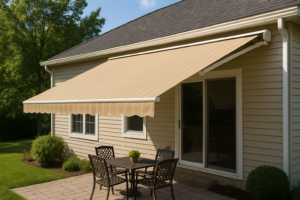
This is where retractable insect screens come into play, and they are becoming massively popular in modern Utah homes. Imagine a screen that rolls away into a discreet cassette when you don’t need it.
In the winter, when you want maximum sunlight to warm the house, the screen is gone. In the summer evening, when you want to open the French doors to the patio, you pull the screen across. It’s there when you need it, and invisible when you don’t.
These systems are particularly great for:
- Large sliding doors where a fixed screen is clunky.
- Casement windows (the ones that crank out) where traditional screens are hard to fit.
- Entry doors to create a cross-breeze without letting the neighborhood cat wander in.
At PowerShades, we love the integration of motorized retractable screens. You push a button, and your patio is enclosed. Push it again, and it’s open. It feels like living in the future, honestly.
Frame Materials and Aesthetics
The mesh is only half the battle; the frame holds it all together. Most frames are made of roll-formed aluminum. It’s lightweight and cheap. But for larger openings, or for homes where aesthetics are paramount, extruded aluminum frames are superior. They are thicker, stronger, and don’t flex.
Color matters, too. Years ago, you had two choices: white or raw metal. Now, we can match frames to your window sash—bronze, black, almond, sandstone.
There is a trend right now toward black window frames, and matching those with a high-visibility screen creates a really sleek, industrial look. The black mesh actually tends to disappear better against the background than gray or silver mesh does because it absorbs light rather than reflecting it. It’s a neat little optical trick.
Dealing with the “No-See-Ums”
While Salt Lake isn’t as bad as, say, Florida for tiny biting midges (no-see-ums), we do get gnats and smaller pests, especially if you live near the lake or near standing water. Standard 18×14 mesh (that’s the grid count per inch) stops flies and mosquitoes. But gnats can sometimes wiggle through.
If you are in a buggy area, look for 20×20 mesh. It’s a tighter weave. It stops almost everything biological. The downside is that it collects dust and pollen more quickly because the holes are smaller. Speaking of pollen…
The Maintenance Reality (Cottonwood Season)
Let’s take a quick digression to complain about June in Utah. The cottonwood trees release their seeds, and suddenly it looks like it’s snowing in summer. That white fluff loves window screens. It gets tangled in the mesh, clogs the airflow, and looks terrible.
If you choose a standard fiberglass screen, cleaning this stuff off is a chore. You have to take the screen down, hose it off, and scrub it gently.
However, smooth-coated polyester screens or specialized easy-clean materials release debris much easier. Sometimes just a quick vacuum with the brush attachment is enough. When you are buying screens, ask yourself: How much time do I want to spend cleaning these? If the answer is “zero,” go for a retractable option that stays rolled up during the cottonwood blizzard.
Integration with Window Treatments
This is something people often overlook until it’s too late. How does the screen interact with your blinds or shades?
If you have interior roller shades (our specialty), the screen sits on the outside (usually). No conflict. But if you have casement windows where the screen is on the inside, you need to ensure your window treatments have clearance.
We have seen plenty of DIY disasters where a homeowner installs a bulky screen frame that prevents their nice cellular shades from closing all the way. It’s a spacing nightmare. Professional measurement usually catches this, but if you are doing it yourself, measure the depth of your window jamb three times. Then measure it again.
DIY vs. Professional Installation
Can you head to the big box store, buy a frame kit and a roll of mesh, and build a screen? Absolutely. Will it be square? Maybe. Will the mesh be tight as a drum? Probably not.
Screening is one of those things that looks easy but requires a fair bit of finesse. Getting the tension right—so the screen doesn’t sag, but also doesn’t bow the frame inward—is an art form.
Professional installation is generally recommended for:
- Large picture windows: The tension is hard to manage on big spans.
- Retractable systems: These involve moving parts and precise tracks.
- Specialty shapes: Arched windows or trapezoids require custom bending.
If you are just replacing the mesh on a small bathroom window, give it a shot. It’s a good Saturday project. But for a whole-house upgrade or for high-end materials like copper or bronze mesh (which are beautiful but tricky), calling in a pro saves a lot of headaches and wasted material.
The Security Aspect
We should briefly touch on security. A standard insect screen offers zero security. A determined intruder (or a bear, if you are really up in the mountains) can go right through it.
However, there are security screens available. These use high-tensile stainless steel mesh that is clamped into a heavy-duty frame. They look like insect screens, but they act like bars. You can hit them with a sledgehammer, and they won’t break. They are expensive, undeniably, but if security is a major concern and you don’t want the prison-bar look, they are an incredible innovation.
Making the Decision for 2024
So, what is the best insect screen for 2024? It depends on your specific “micro-climate” at home.
- For the View Lover: Go with an UltraVue or similar high-visibility mesh. You won’t regret the clarity.
- For the Pet Owner: Vinyl-coated polyester (Pet Screen). It’s not the prettiest, but it’s indestructible.
- For the Modernist: Motorized retractable screens. They are the cleanest, most versatile option for blending indoor and outdoor living.
- For the Energy Conscious: Solar screens on the west and south faces of the house.
You don’t have to use the same screen on every window! It is perfectly acceptable to put pet screens on the sliding door, solar screens on the hot west side, and high-visibility screens on the front picture window. Customizing the solution to the window’s function is the smart move.
Final Thoughts
Your windows are the eyes of your home. They connect you to the neighborhood, the weather, and the mountains. Putting a cheap, gray, sagging grid over them is like wearing dirty sunglasses. You get used to it, sure, but you don’t realize what you’re missing until you take them off.
Upgrading your screens is one of those subtle home improvements that pays off every single day. Whether it’s keeping the yellow jackets out of the kitchen or just letting that cool evening draft cool down your bedroom, the right mesh makes all the difference.
If you are looking to upgrade your window situation, whether it’s through high-tech automated shades or integrating the perfect screening solution, you don’t have to figure it out alone. We handle the tricky measurements and the material selection so you can just enjoy the view.
Give us a call at 801-518-5242 to chat about your Options. Alternatively, you can Request A Free Quote online and we can come take a look at what you’re working with. Let’s get your home ready for whatever the Utah weather throws at it.