If you live anywhere near Salt Lake City, you already know our weather basically has two modes: freezing your toes off in the winter or baking you alive by mid-July. Keeping your Home or office comfortable feels like a never-ending battle against the thermostat, and those utility bills can be genuinely painful to open during peak seasons. Finding the right energy efficient blinds is not just about making your space look beautiful; it is literally about surviving the wild Wasatch Front temperature swings without emptying your wallet.
Wait, Do Window Coverings Actually Save Energy?
You might be thinking that blinds are just decorative. They are just there to give you some privacy and make the room look finished, right? Well, actually, that is a huge misconception. Let me explain.
Windows are essentially giant holes in your home’s thermal envelope. You spend thousands of dollars insulating your attic, upgrading your walls, and sealing your doors, but glass is fundamentally a terrible insulator. The Department of Energy notes that windows can account for up to 30% of residential heating and cooling energy loss. Think about that for a second. Thirty percent!
During a freezing Utah winter, the heat your furnace works so hard to produce simply radiates right out through the glass. In the summer, the exact opposite happens. The relentless sun pounds against your windows, creating what industry folks call “solar heat gain.” This essentially turns your living room or office into a greenhouse.
You know what? You do not have to just accept those high energy bills. Adding the right Salt Lake City window treatments creates a crucial barrier between the glass and your interior air. But not all shades are created equal when it comes to stopping heat transfer. Some do a vastly better job than others.
The Undisputed Insulation Champions: Cellular Honeycomb Shades
If we are talking strictly about stopping heat and cold in their tracks, we have to talk about cellular shades. Honestly, they are the heavyweights of the insulation world.
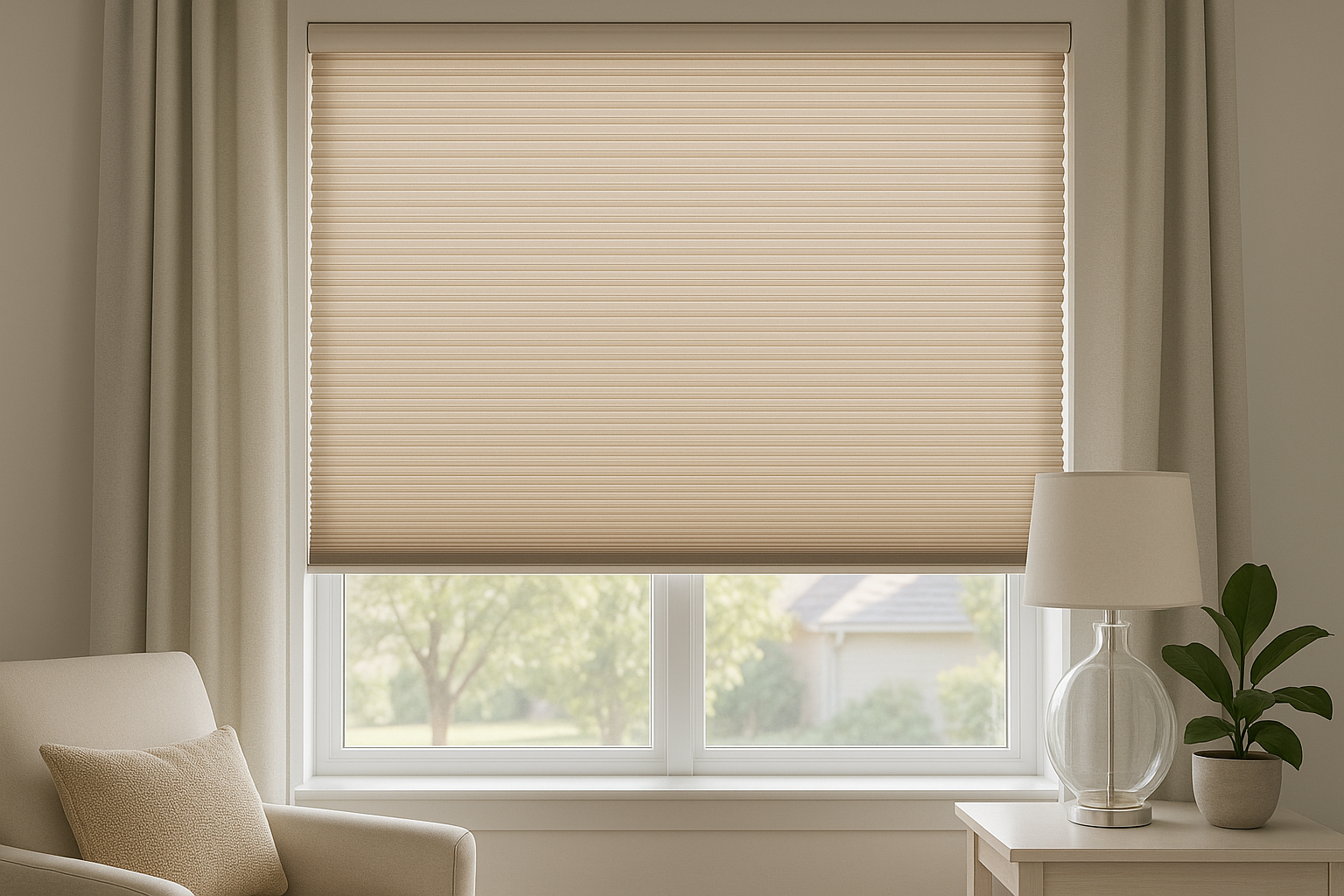
Cellular shades are those fabric window coverings that look like little honeycombs when you view them from the side. That unique shape is not just for looks. It is an incredibly clever engineering trick designed to trap air.
Here is the thing about air: it is actually a fantastic insulator as long as it is not moving. You know how a good down jacket keeps you warm when you are skiing up at Snowbird? It is not the feathers themselves keeping you warm; it is the dead air trapped between the feathers. Cellular shades do the exact same thing for your windows. The honeycomb pockets catch the air and hold it still, creating a buffer zone between the freezing window pane and the warm air inside your house.
In the window covering industry, you will often hear professionals talk about an “R-value.” This is just a fancy way of measuring resistance to heat flow. The higher the R-value, the better the insulation. A standard double-pane window has an R-value of roughly 2.0. Adding a high-quality cellular shade can double or even triple that number.
If you want maximum protection, look for double-cell shades. They feature two rows of honeycombs instead of one. They cost a little bit more, but they pay for themselves very quickly when January rolls around and the inversion settles over the Salt Lake valley.
Solar Shades: Your Best Defense Against the Summer Glare
While cellular shades are amazing for winter insulation, sometimes the biggest problem is the blazing summer sun. If you have west-facing windows, you already know the struggle. By four o’clock in the afternoon, the glare is blinding, and your air conditioner is running non-stop.
This is where solar shades absolutely shine.
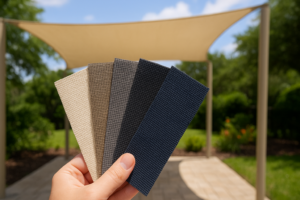
Solar shades are made from a specially woven mesh fabric that acts a lot like sunglasses for your windows. They block the brutal heat and ultraviolet rays from entering the room, but they still allow you to see outside. This is a massive benefit for businesses looking for commercial window shades in Utah. Have you ever tried to work on a computer when the afternoon sun is blasting through the office window? It is completely miserable.
When you shop for solar shades, you will hear people mention the “openness factor.” This just refers to how tight the weave of the fabric is.
- A 1% openness factor blocks 99% of UV rays. It offers excellent glare control but limits your view outside.
- A 5% openness factor is a great middle ground. It blocks 95% of the sun while keeping your view of the mountains relatively clear.
- A 10% openness factor gives you the best view but lets a bit more heat into the room.
Beyond just keeping you cool, solar shades protect your investments. Those harsh UV rays will aggressively fade hardwood floors, ruin expensive rugs, and bleach your furniture. Blocking the sun before it heats up the room is vastly more efficient than trying to cool the air down after the fact.
Motorization: How Smart Blinds Pay for Themselves
Now, we need to talk about human nature. You can buy the thickest, most heavily insulated window coverings on the market. They could have an R-value off the charts. But here is a little secret: energy-efficient blinds only save you money if you actually remember to close them.
Life gets busy. You rush out the door for work in the morning, forgetting to pull the shades down. Suddenly, the sun beats through the glass all day long. By the time you get home, the house is 85 degrees, and your AC is screaming for mercy.
This is exactly why motorized smart shades are such a big deal for energy savings.
When you automate your window treatments, you remove human error entirely. You can program your shades to lower automatically at the hottest part of the day. In the winter, you can set them to open up and capture the free solar heat during the afternoon, and then close tight the moment the sun goes down to trap that warmth inside.
It happens automatically. No guessing. Just consistent, reliable savings.
At PowerShades Utah, we specialize in these motorized solutions because they genuinely change how a home or business functions. You can control them with a remote, an app on your phone, or even your voice. You can even tie them into smart home sensors that monitor the temperature in the room. If the room gets too hot, the shades silently drop down. It is incredibly convenient, and honestly, once you have them, you will wonder how you ever lived without them.
Don’t Count Out Roman Shades and Heavy Drapery
Sometimes people think they have to sacrifice style to get good insulation. They assume they need ugly, plastic-looking shades to save money. That is simply not true.
Traditional Roman shades and custom draperies can be absolute powerhouses for energy efficiency, provided they are made correctly. The secret entirely depends on the lining.
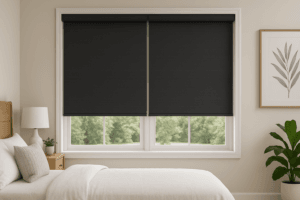
A Roman shade made from a thin cotton fabric will not do much to stop a draft. However, if you add a thick thermal lining or a Blackout lining to the back of that fabric, everything changes. The heavy material acts as a solid physical barrier.
This is particularly popular in older homes around areas like the Avenues or Sugar House. Those gorgeous historic homes often have original, drafty windows. Heavy drapery mounted close to the ceiling and extending slightly past the window frame on the sides creates a fantastic seal. It brings a cozy, elegant aesthetic to the room while doing serious work to keep the cold air out.
The Art of Layering: Combining Form and Function
You know, there is no rule saying you only have to pick one type of window covering. In fact, layering your treatments is one of the smartest things you can do for the unpredictable Utah climate.
Let me give you an example of how this works perfectly.
Imagine putting a sleek, modern solar shade inside the window frame. During the day, you pull it down to cut the glare and block the UV rays while still enjoying your view of the neighborhood. Then, you mount beautiful Roman shades or thermal drapes over the top of the window. At night, when the temperature drops, you close the heavy drapes.
You get the daytime functionality of the solar shade and the nighttime insulation of the drapery. You are basically creating multiple layers of trapped air, which, as we discussed earlier, is the ultimate secret to staying warm.
Comparing Your Best Options
Sometimes it helps to just look at everything side by side. If you are trying to figure out which window shade solutions make the most sense for your specific situation, this quick breakdown should help.
| Shade Type | Primary Insulation Secret | Ideal Season / Situation |
|---|---|---|
| Cellular Honeycomb | Traps still air in fabric pockets to prevent heat transfer. | Winter warmth & year-round insulation. |
| Solar Shades | Reflects UV rays and blocks direct solar heat gain. | Summer cooling & office glare control. |
| Lined Roman Shades | Uses thick, heavy thermal backing as a physical barrier. | Older homes needing draft protection & style. |
The Little Details People Always Forget About
We have talked a lot about Fabrics and technologies, but there is one massive factor we need to cover before you make any decisions. It is all about the fit.
You can buy the most expensive, highly-rated thermal shades on the market, but if there is a massive gap between the fabric and the window frame, the air will just sneak right past it. This creates something called the “chimney effect.”
Warm air from your room hits the cold glass and rapidly cools down. Because cold air is denser than warm air, it drops toward the floor. This dropping action actually pulls more warm air from the ceiling down behind the blinds, creating a continuous, chilling draft. It is basically a conveyor belt of cold air circulating through your living room.
To stop this, the blinds need to fit snugly.
- Inside Mount: If your window frames are deep enough, mounting the shades inside the frame usually looks cleaner and traps air directly against the glass. You just need to ensure the measurements are incredibly precise so the gaps on the sides are as tiny as possible.
- Outside Mount: If you have shallow windows or a lot of trim, mounting the shades on the wall outside the window frame is often better for insulation. You can overlap the window opening by a few inches on each side, effectively sealing off the drafts entirely.
Also, do not forget the simple maintenance stuff. Caulking the exterior of your windows and adding a bit of weatherstripping does wonders. Your shades should be the final line of defense, not the only thing stopping the winter wind from blowing through your home.
Let’s Wrap This Up
Choosing the right window treatments makes a massive difference in your daily comfort and your monthly utility bills. If you are ready to upgrade your space with smart, energy-saving solutions, reach out to PowerShades Utah by phone # 801-518-5242 to speak with our local experts. We would love to help you find the perfect fit, or Request A Free Quote online today to get started on your custom project!