Living in Salt Lake City comes with some undeniable perks, like waking up to those stunning views of the Wasatch Front and enjoying more sunny days than a lot of the country. But let’s be real for a second—that high-altitude sun has a bit of a mean streak, especially when it comes to your furniture, your floors, and your cooling bills. You might notice that spot on your hardwood floor where the rug used to be is a completely different color now, or that your AC is running a marathon just to keep the living room bearable in July.
Wait, Why Is the Utah Sun So Harsh?
You know, it’s funny how we often forget about elevation when we talk about sunlight. We aren’t at sea level here. Living at 4,000+ feet means there is literally less atmosphere between us and the sun to filter out ultraviolet rays. It’s the same reason you get sunburned faster while skiing at Alta than you do sitting on a beach in Florida.
That UV radiation is relentless. It pours through standard glass windows and starts a chemical reaction called photodegradation. That’s the fancy term for “sunburn for your stuff.” It breaks down the chemical bonds in dyes and wood finishes. And here’s the thing—it’s not just the direct beams of light you see. UV rays bounce around. Ambient light causes damage too, though usually slower.
So, when we talk about UV protection window treatments, we aren’t just trying to sell you a dark room. We are talking about protecting the investment you made in your Home. Nobody wants to replace expensive artwork or refinish floors just because the sun decided to bleach them out.
The Heavy Hitter: Solar Shades
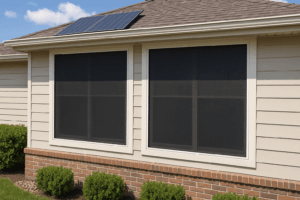
If you ask me what the most popular choice is for balancing view and protection, it’s undoubtedly solar shades. These are engineered Fabrics—usually a mix of PVC and polyester—woven specifically to cut glare and block UV rays while still letting you see outside.
Think of them like sunglasses for your house.
Solar shades come with an “openness factor,” which sounds technical, but it’s actually pretty straightforward. It’s just the percentage of the fabric that is open weave.
- 1% to 3% Openness: These are the workhorses. They block about 97-99% of UV rays. You get great protection and privacy, but your view out is a little less crisp.
- 5% Openness: This is the sweet spot for many SLC homeowners. You block 95% of the UV, but you keep a nice connection to the outdoors.
- 10% Openness: Great for views, less great for serious sun blocking.
The beauty of solar roller shades is that they look sleek. They don’t have the “grandma’s drapes” vibe. They fit right into that modern, clean aesthetic that’s popping up all over downtown condos and renovated bungalows in Sugar House.
Cellular Shades: The Energy Efficiency Champions
Now, if your concern is split 50/50 between “stop fading my couch” and “lower my power bill,” you need to look at cellular shades, often called honeycomb shades.
These things are ingenious.
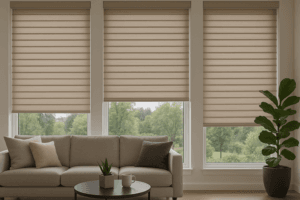
Instead of a flat sheet of fabric, the material is formed into honeycomb-shaped cells. These cells trap air, creating a buffer zone between the scorching hot glass of your window and the cool air inside your room. It’s insulation, pure and simple. In the winter (because we know how cold the Avenues can get in January), they keep the heat in. In the summer, they keep the heat out.
But do they block UV? Absolutely. Most cellular shade fabrics block close to 99% of UV rays, but there is a catch. Unlike solar shades, you generally can’t see through them. If the shade is down, your view is gone. But, honestly? Sometimes that’s exactly what you want for a bedroom or a media room where glare is the enemy.
Let’s Compare the Options
It helps to see this laid out, right? Here is a quick breakdown of how different window treatments stack up against the Utah sun.
| Feature | Solar Shades | Cellular Shades | Traditional Blinds | Window Film |
|---|---|---|---|---|
| UV Blockage | High (90-99%) | Very High (95-99%) | Moderate (gaps allow light) | High (99%) |
| View Preservation | Excellent | Poor (Opaque) | Adjustable (Slats) | Excellent |
| Heat Reduction | Good | Excellent | Low | Moderate |
| Privacy | Daytime only | Full Privacy | Adjustable | None at night |
The Magic of Motorization
Okay, I have to geek out for a minute. You can buy the best UV blocking shades on the planet, but they only work if you actually use them.
Be honest with yourself—are you going to walk around your house twice a day, every day, raising and lowering shades as the sun moves across the sky? Probably not. You’re busy. You’re at work, or you’re chasing kids, or you’re just relaxing.
This is where motorized window treatments change the game. At PowerShades, we integrate automation that makes UV protection passive. You don’t have to think about it.
Imagine this: You program your shades to lower automatically on the west side of the house right at 3:00 PM when that harsh afternoon sun hits. Or, better yet, we can set them up to track the sun based on your location. The shades adjust themselves to maximize natural light while preventing direct UV strikes on your furniture.
It’s not just lazy; it’s efficient. It ensures your home is protected even when you’re on vacation. Plus, getting rid of the cords makes them safer for pets and kids. It’s a win-win.
Commercial Spaces: It’s Not Just About Comfort
For the business owners out there—maybe you run a tech startup in Lehi or a cafe in Salt Lake—UV protection is a productivity issue.
Have you ever tried to work on a computer screen when the sun is blasting through a window behind you? The glare is unbearable. It causes eye strain, headaches, and generally makes your employees miserable.
Commercial roller shades are the standard solution here. They reduce that contrast ratio at the window, softening the light so your team can actually see their monitors. And for retail spaces, protecting your merchandise from fading is crucial. If you have clothes or Products in the window display, a month of unchecked UV exposure can ruin your inventory.
Energy costs in commercial buildings are also massive. By managing solar gain (the heat entering the building), you reduce the load on your HVAC system. That’s money that goes back to your bottom line instead of to the utility company.
Don’t Forget the Exterior
We usually think about treating windows from the inside, but sometimes the best defense is a good offense. Exterior solar shades are becoming increasingly popular in Utah.
Here is the logic: Once the heat gets through the glass, it’s already inside your house. Sure, an interior shade stops it from hitting you, but that heat is now trapped between the shade and the window, eventually radiating into the room.
Exterior shades stop the sun before it hits the glass. They can block up to 95% of the heat gain. They run on zipper tracks so they don’t blow around in the wind (and we know how gusty it gets here). It’s a bigger installation project, sure, but the performance is unmatched.
The Aesthetics: You Don’t Have to Sacrifice Style
There used to be this misconception that “UV protection” meant tin foil on the windows or ugly, thick plastic blinds. That is ancient history.
Modern fabrics are incredible. You can get light-filtering shades that look like linen, silk, or woven wood. You can choose colors that complement your interior design rather than clash with it.
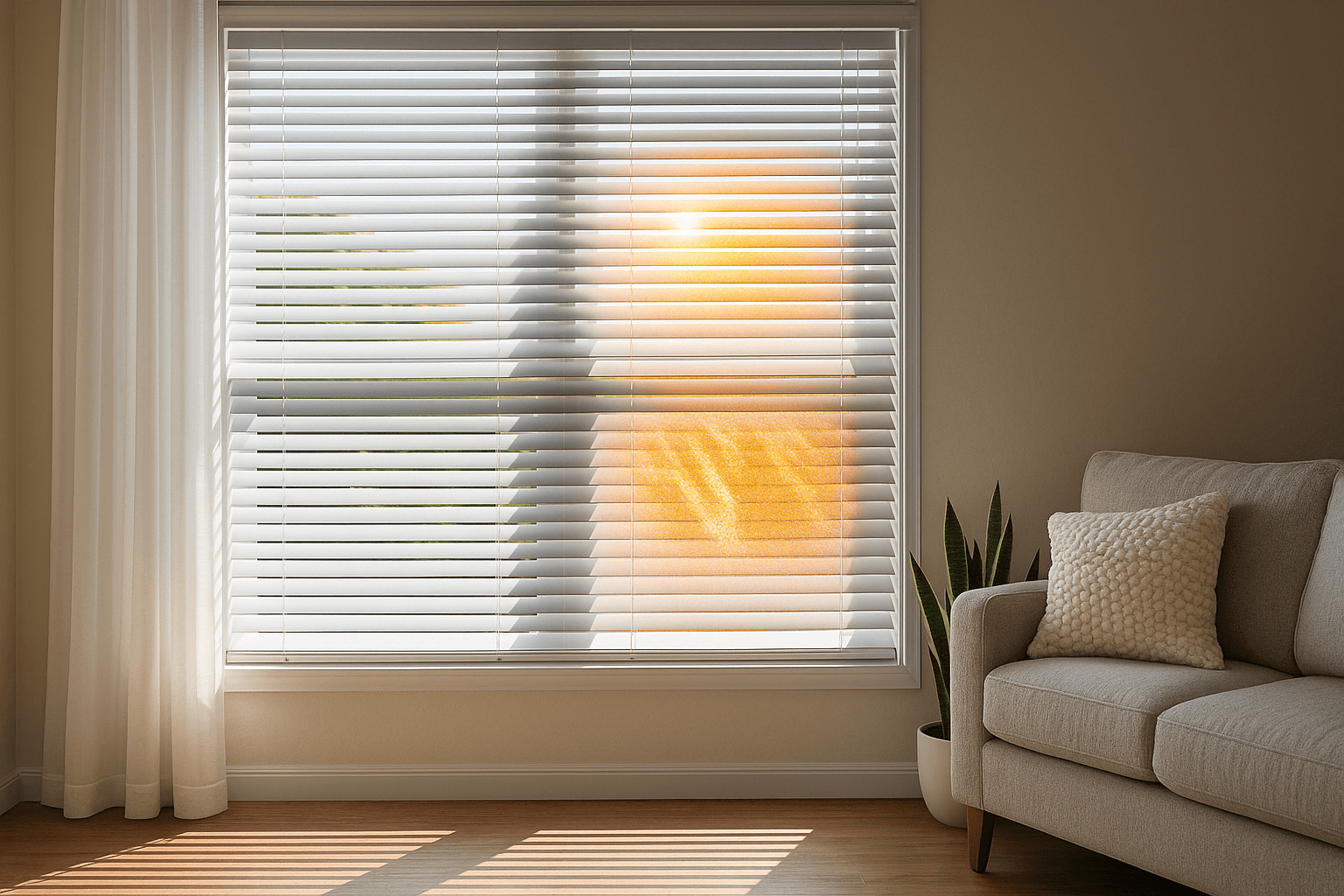
One thing to keep in mind regarding color: Darker fabrics actually provide a better view through the shade because they absorb light and reduce glare. Lighter fabrics reflect light, which keeps the room cooler, but can sometimes make the window look a bit “cloudy” when the sun hits it directly.
It’s a balance. Do you prioritize the sharpest view or the coolest room? We usually help clients navigate this based on which direction their windows face. A north-facing window in SLC needs a totally different approach than a south-facing one.
Why Off-the-Shelf Solutions Usually Fail
I know the temptation. You walk into a big box store, see a blind for $40, and think, “That’ll do.”
But here is the thing about cheap, off-the-shelf blinds: the fit is never quite right. And with UV protection, fit is everything. termed the “light gap.” If your roller shade is half an inch too narrow, you get a laser beam of sunlight cutting down the side of your window. That single beam is enough to bleach a stripe across your carpet as the sun moves.
Custom window treatments are measured to the millimeter. We look at the depth of your window casing, the obstructions like cranks or handles, and the squareness of the frame. We minimize those light gaps.
Also, the quality of the mechanism matters. Cheap spring-loaded rollers lose their tension. Cheap motors burn out. When you are investing in your home, you want gear that lasts as long as the house does.
Final Thoughts on Protecting Your Utah Home
Living in this valley is amazing, but the environment demands a little bit of preparation. The sun is a powerful force. It provides warmth and light, but unchecked, it destroys fabrics, wood, and artwork.
You don’t have to live in a cave to be protected. With the right solar shades or cellular blinds, and maybe a little bit of smart motorization, you can enjoy the view of the mountains without worrying about your floors turning gray or your energy bill spiking. It’s about managing the light, not blocking it completely.
We have helped thousands of homeowners across the Wasatch Front solve this exact problem. Whether you have a wall of windows facing the western sun or a skylight that heats up your kitchen, there is a solution that fits your style and your budget.
If you are ready to stop the sun damage and start enjoying your windows again, let’s chat. You can reach the team at PowerShades Utah directly by phone # 801-518-5242 to discuss your project. or Request A Free Quote and we will come out, measure your space, and show you exactly what’s possible.