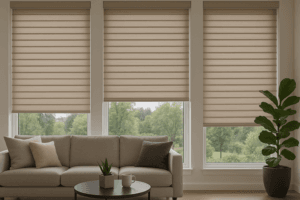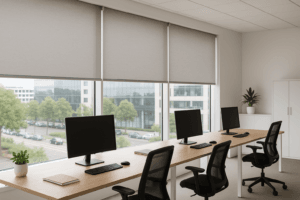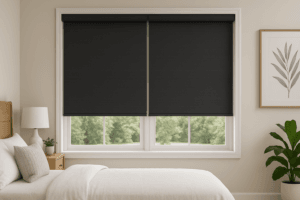
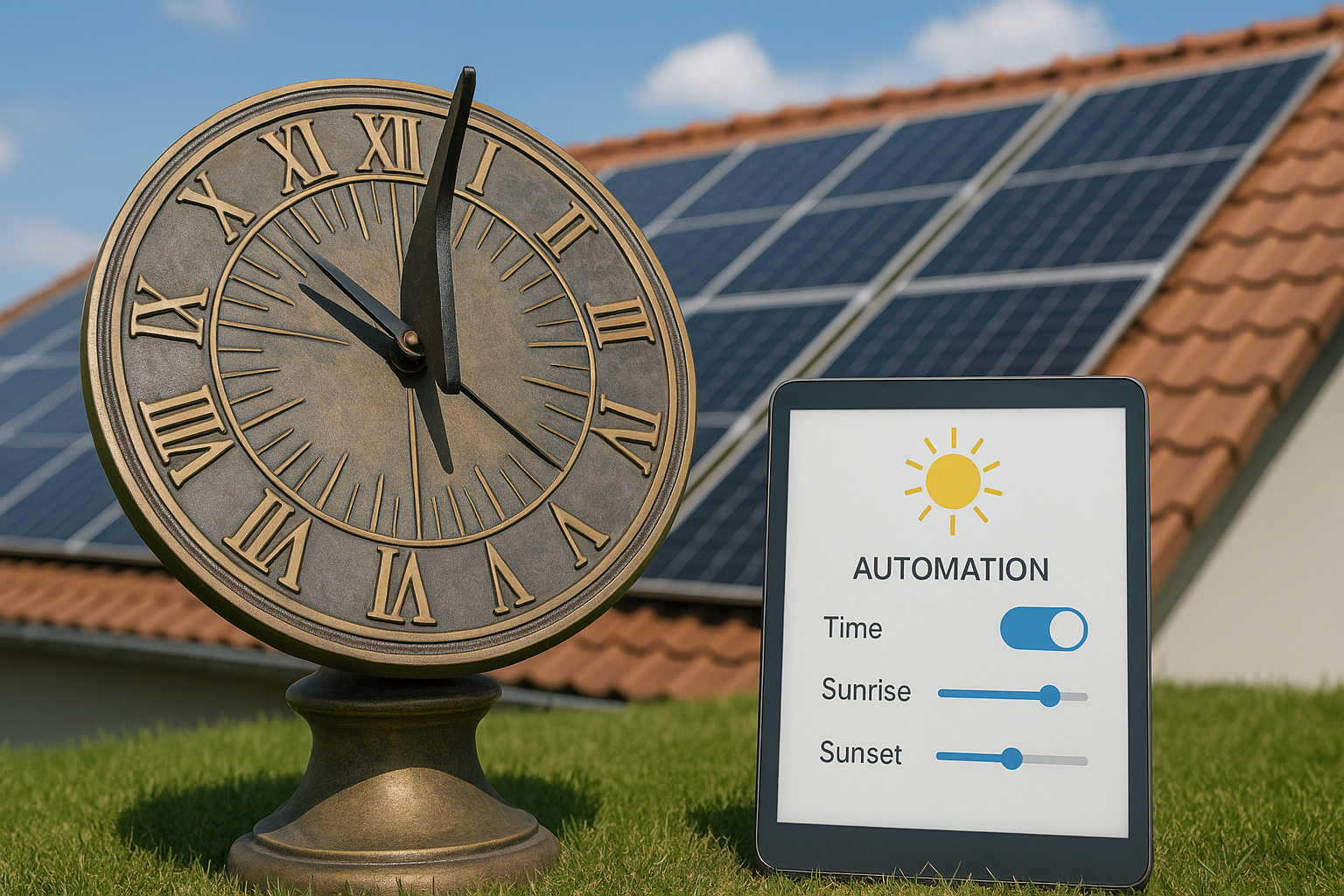
Have you ever been sitting in your living room, enjoying the beautiful view of the Wasatch Front, only to be suddenly blinded by the afternoon sun? Honestly, manually adjusting window treatments throughout the day is a tedious hassle most of us just do not have time for. That is exactly where solar clock automation steps in to completely change how you experience natural light in your Salt Lake City Home or business.
Wait, What Exactly Is Solar Clock Automation?
Let me explain what this actually means, because it sounds a little like science fiction at first glance. You probably already know about standard Motorized Shades that go up and down with a remote control or a basic schedule you set on your smartphone. But here’s the thing—a standard timer is completely clueless about the actual sun. Solar clock automation is vastly different; it knows exactly where the sun is in the sky, 365 days a year, based on your specific geographic coordinates.
It adjusts your automated window coverings by tracking astronomical events. Think about it. The sun sets at a completely different time in July than it does in December here in Utah. If you just set a basic 5:00 PM timer, your shades will be closing in pitch darkness during the winter, and way too early during the summer.
Solar clock Technology calculates the exact angle of the sun using geometry. It factors in sunrise, sunset, and solar noon. So your shades move dynamically to block glare before it ever has a chance to hit your eyes, without you lifting a single finger. It knows exactly where the sun is. It tracks it precisely.
Why Salt Lake City Weather Demands Smarter Shades
Living along the Wasatch Front gives us some of the most breathtaking sunsets in the entire country. But let’s be real, that same gorgeous setting sun can absolutely bake your west-facing rooms. Salt Lake City has a pretty unique climate, characterized by intense summer heat and bright, snowy winters that bounce sunlight right into your windows.
You know what happens when you combine high elevation with relentless afternoon sun? Your HVAC system works overtime, and your monthly energy bills go straight through the roof.
That is why a lot of people initially look into smart shade solutions. They want to cut down on solar heat gain. Now, here is a mild contradiction: adding more technology to your house actually lowers the amount of work your home has to do. You might think adding electronic motors to your windows uses more power. But because the shades automatically lower to block intense UV rays during peak heat hours, your air conditioning runs significantly less. The energy saved far outweighs the tiny amount of electricity used by the shade motors.
Plus, we cannot forget about the winter months. When the valley gets a fresh blanket of snow, the albedo effect—which is just a fancy term for sunlight reflecting off white surfaces—turns your living room into a glaring light box. Solar automation drops the shades just enough to cut the snow glare while still letting you see the mountains.
Dealing With Daylight Saving Time Without Losing Your Mind
Honestly, almost everyone hates changing their clocks twice a year. It disrupts your sleep, messes with your schedule, and throws your household routines completely off balance. Do you know what happens to regular Motorized Shades during daylight saving time? They get totally confused.
If your shades are tied to a rigid time schedule, you have to go into the system and manually reprogram them every single spring and fall. If you forget, your shades start going rogue, rising when it is still pitch black outside or dropping while the sun is still high in the sky.
Solar clock automation does not care about our arbitrary human clock changes. Because the motors are referencing astronomical data rather than a wall clock, the system just watches the sun. Whether we fall back or spring forward, your custom window shades remain perfectly synchronized with the natural daylight.
How the Technology Actually Thinks (And No, It Is Not Complicated)
I want to talk about how this system actually works behind the scenes. It relies on a built-in astronomical clock. When we install these intelligent systems at PowerShades Utah, the motor’s internal brain is programmed with your home or commercial building’s exact latitude and longitude.
It sounds highly technical, right? But the user experience is incredibly simple. Once the coordinates are locked in, the system references a complex database of solar positioning. You can even set customized offsets to match your daily routine. For instance, you can easily tell the system, “Drop the living room shades exactly 20 minutes before sunset.”
Here is a quick breakdown of how standard window treatments compare to true solar tracking:
| Feature | Basic Motorized Timer | Solar Clock Automation |
|---|---|---|
| Adjusts for Seasons Naturally | No | Yes |
| Tracks Exact Sunset/Sunrise | No | Yes |
| Requires Manual Updates | Yes | No |
This means whether it is the longest day of summer or the shortest day of winter, your window treatments are always exactly where they need to be.
Let’s Take a Quick Tangent: Smart Home Fatigue is Real
Let’s take a quick detour for a second. Are you tired of having an app for literally everything? Your refrigerator has an app, your video doorbell has an app, and your toaster probably wants to connect to your Wi-Fi network. It is exhausting.
This is a massive reason why some people hesitate to upgrade their window coverings. They think, “Great, another application I have to check on my phone.” But true automation isn’t about giving you a new digital remote control. It is about removing the need for manual control entirely.
Think about a smart thermostat. The best ones learn your habits, adjust the temperature automatically, and you rarely ever touch the dial. That is exactly how solar tracking works for your windows. You set it up once. After that, the shades just operate silently in the background of your life. They lower when the sun gets harsh to protect your floors, and they rise in the morning to gently wake you up. If you have to pull out your phone to close the blinds, it isn’t truly automated. It is just a very expensive remote control. True automation means zero interaction.
Real Benefits for Homeowners and Commercial Spaces
Whether you are a homeowner trying to make your living space more comfortable or a business owner managing a busy corporate office, automated window blinds powered by the sun’s schedule make a massive, tangible difference.
For homeowners, the primary focus is usually on comfort, convenience, and protection. UV damage is a silent killer for expensive furniture. If you have large, beautiful windows, the sun is slowly bleaching your hardwood floors, Oriental rugs, and leather couches every single day. Solar clock automation acts like premium sunscreen for your house, dropping the shades right when the sun reaches its most damaging angle.
For businesses, the priority shifts toward productivity and reducing overhead costs. Imagine a large conference room in downtown Salt Lake City. Right in the middle of an important presentation, the sun dips below the building next door and blinds half the room, completely washing out the projector screen. Someone has to awkwardly stand up, pause the meeting, find the wall switch, and lower the blinds. With solar automation, the shades would slowly glide down five minutes before the glare ever became a disruptive problem.
Here are a few specific ways both residential and commercial spaces benefit:
- Consistent climate control: By blocking solar heat gain before it penetrates the glass, interior temperatures stay remarkably stable throughout the day.
- Creating the perfect sleep environment: Nurseries and primary bedrooms can be programmed to block early morning summer light, ensuring you and your kids sleep soundly.
- Elevating your privacy and security: Shades moving dynamically throughout the day make a building look occupied. Even when you are out of town on vacation or closed for the weekend, it looks like someone is inside.
- Eliminated screen glare: No more squinting at your computer monitor or moving your laptop around the kitchen island just to dodge an annoying sunbeam.
Choosing the Right Fabrics for the Job
The technology running the motors is undeniably brilliant, but let’s not forget about the aesthetics. You absolutely do not have to sacrifice style for functionality. The days of clunky, loud, plastic motorized blinds are long gone.
Today, you can get solar clock technology embedded in gorgeous roller shades, cellular shades, and elegant drapery tracks. Whether your interior design style is ultra-modern, mountain rustic, or something perfectly in between, the fabrics and textures available are stunning.
When you select solar shades, you will hear professionals talk about the “openness factor,” which usually ranges from 1% to 10%. This is just professional jargon for how tightly the fabric is woven. A 1% openness factor blocks almost all UV rays and provides high privacy, while a 5% openness factor filters the harsh glare but still lets you clearly see the outline of the mountains outside. You can mix and match these fabrics depending on the room. You might choose heavy Blackout Fabrics for media rooms and light-filtering fabrics for the dining room.
Making It Work With Your Current Setup
You might be wondering if installing this technology requires ripping open your drywall to run new electrical wires. Not necessarily. While hardwired systems are fantastic for new construction builds or extensive home remodels, modern wireless motors are incredibly robust.
Battery-powered shades have come a long way. They hold a charge for many months, operate quietly, and communicate flawlessly with the main smart hub.
Furthermore, these systems play nicely with the smart home ecosystems you probably already use. If your house runs on Control4, Lutron, Crestron, or even a simple voice-activated smart speaker, your motorized shade systems can tie right into your existing scenes. You can easily create a “Movie Time” setting that temporarily overrides the solar clock to plunge the room into total darkness whenever you want to watch a film. The solar schedule will simply pick right back up where it left off the very next day.
Ready to Upgrade Your Space?
Living with manual blinds feels incredibly outdated once you experience the seamless, quiet comfort of true window automation. The sun certainly does not wait around for you to adjust your shades, so why should your home or business be stuck constantly reacting to the light? If you are tired of battling the harsh Salt Lake City sun and want an effortless solution, it is time to upgrade. Give us a call by phone # 801-518-5242 to discuss your project with our local experts, or Request A Free Quote online to see how easily we can bring solar clock automation to your windows.