Let’s be honest for a second—there is absolutely nothing like the view of the Wasatch Front when the sun hits those peaks just right. But if your living room faces west in July, that beautiful view comes with a price tag: blinding glare and enough heat to fry an egg on your hardwood floors. You love the light, but you hate what it does to your energy bill and your comfort level.
Wait, What Are Solar Screens Anyway?
If you’ve been shopping around for window treatments, you’ve probably heard the term thrown around. But a lot of folks confuse them with standard insect screens or those heavy Blackout curtains that turn your Home into a cave. That’s not what we’re talking about here.
Think of solar screens as high-quality sunglasses for your house.
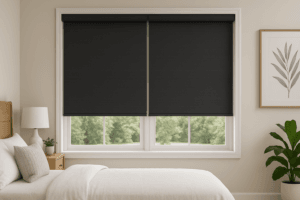
They are specialized window coverings made from a unique mesh fabric—usually a blend of polyester and vinyl—woven specifically to control how much solar energy enters your space. Unlike standard blinds that block everything when closed, solar shades manage the light. They filter it. This means you can cut down on the harsh UV rays and heat without completely losing your connection to the outside world.
You know how your sunglasses reduce the glare but still let you drive safely? It’s the exact same concept, just scaled up for your patio doors or office windows.
The Salt Lake City Factor: Why It Matters Here
Here’s the thing about living in Utah: we are at elevation. Salt Lake City sits at about 4,200 feet, and if you live up on the benches, you’re even higher. The atmosphere is thinner up here, which means UV radiation is significantly more intense than it is at sea level.
That intense high-altitude sun is aggressive. It doesn’t just make you squint; it actively attacks your interiors. We see it all the time—flooring that has faded in weird patches, expensive leather sofas that look dried out, and artwork that’s lost its vibrancy.
Solar screens are practically a requirement for the Utah climate because they address three specific local problems:
- The Summer Spike: When it hits 100°F in the valley, your AC is working overtime.
- The Winter Glare: Snow reflects sunlight like crazy. The glare off a fresh snowpack in January can be blinding.
- The View: We live in one of the most beautiful places on earth. Covering up your windows with heavy drapes feels like a crime.
Let’s Talk About “Openness Factor” (It’s Not as Complicated as It Sounds)
When you start looking into solar shades, you’re going to see percentages: 1%, 3%, 5%, 10%, etc. This is called the openness factor, and honestly, it’s the most important decision you’ll make.
The percentage refers to how tightly the fabric is woven. It dictates how much light gets through and how clearly you can see out.
Here is a quick breakdown to help you visualize it:
| Openness Factor | The Vibe | Best For |
|---|---|---|
| 1% Openness | Very tight weave. Blocks about 99% of UV rays. It offers the most privacy but makes the view outside a bit fuzzy. | Bedrooms, nurseries, or rooms directly facing the brutal afternoon sun. |
| 3% to 5% Openness | The sweet spot. You get great UV protection and heat reduction, but you can still clearly see the mountains or your backyard. | Living rooms, kitchens, and home offices. This is the most popular choice for a reason. |
| 10% to 14% Openness | Much looser weave. You get a fantastic view and plenty of natural light, but less heat control. | North-facing windows or areas where glare isn’t a huge issue but you want to soften the light. |
Choosing the right factor is a balancing act. If your window faces west and gets hammered by the sun from 4 PM to 8 PM, you might want a 1% or 3% screen. If it faces north and just gets ambient light, a 10% screen keeps things bright and airy.
Interior vs. Exterior: Where Should They Go?
This is a debate we have with clients pretty often. You can install solar screens on the inside of your windows (like roller shades) or on the outside (exterior shades).
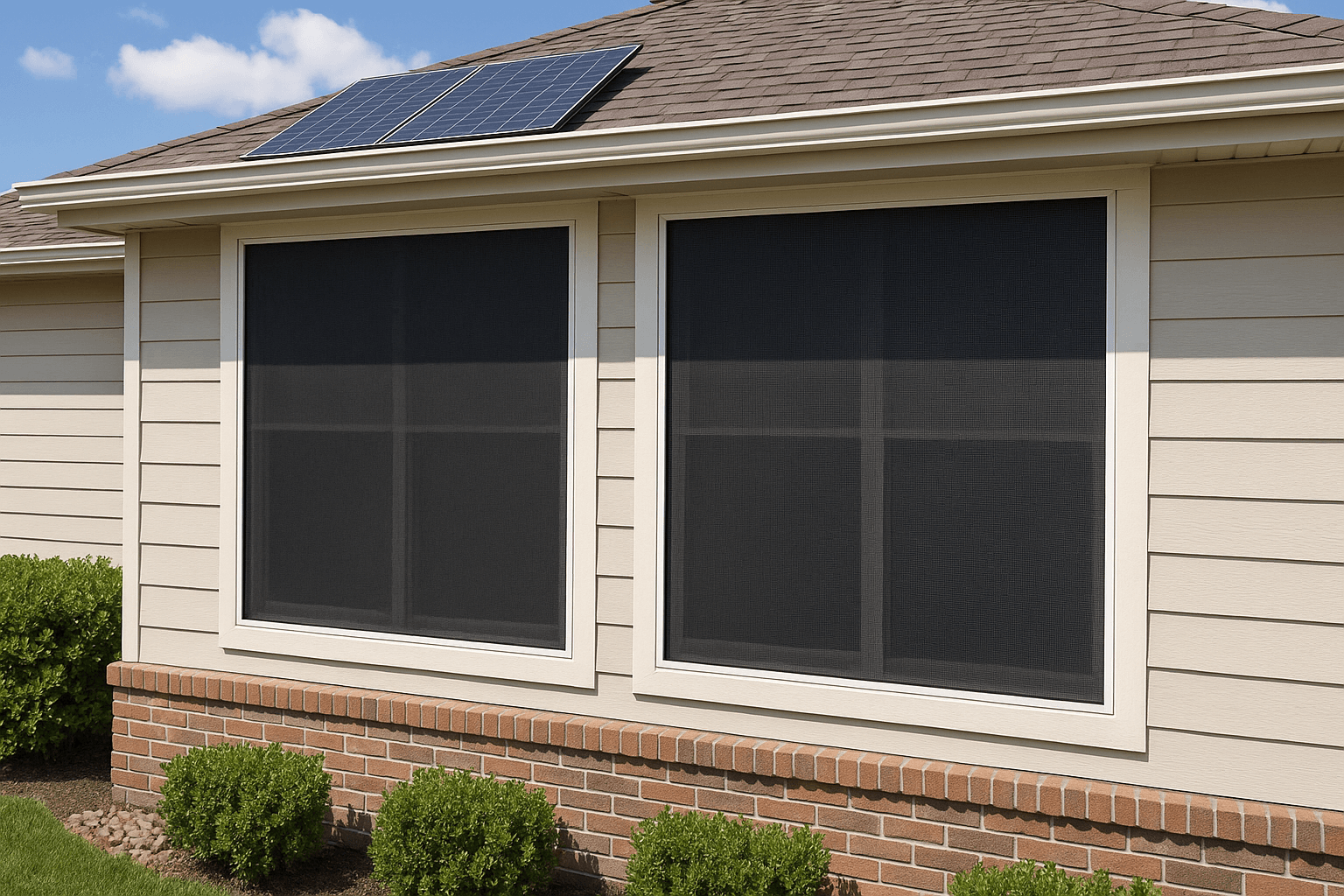
Exterior Solar Screens are the heavyweights of heat rejection. By stopping the sun’s rays before they hit the glass, they prevent the glass itself from heating up and radiating that heat into your home. They are incredibly efficient—we’re talking about blocking up to 90% of solar heat gain. However, they are more exposed to the elements (wind, snow, dust) and require professional installation to ensure they are weather-resistant.
Interior Solar Shades are what most people are familiar with. They are sleek, protected from the weather, and easier to operate manually if you don’t go motorized. While they allow some heat to enter through the glass before stopping it, modern Fabrics are surprisingly effective at reflecting that heat back out. Plus, from a design perspective, they look cleaner and integrate better with your interior décor.
For most homeowners in Salt Lake City, interior shades are the go-to choice for ease of use, but if you have a patio or a massive wall of windows facing south/west, exterior screens can be a total game-changer for temperature control.
Energy Efficiency: Will It Actually Save Money?
Short answer: Yes.
Long answer: It depends on your usage, but the savings are real. In the summer, windows are the weakest link in your home’s insulation. You can have R-60 insulation in the attic, but if you have a giant pane of clear glass facing the sun, you are essentially running a greenhouse.
Your air conditioner has to work significantly harder to combat that solar heat gain. By installing PowerShades, you are reducing the load on your HVAC system. We aren’t just saying that; studies have shown that proper window shadings can reduce cooling energy consumption by a solid margin.
And it’s not just about cooling. In the winter, solar shades can provide a layer of insulation (especially if they are fitted tightly) that helps keep the warm air inside. It’s a year-round investment.
The “Smart Home” Advantage: Why Motorization Wins
Okay, let’s be real for a minute. If you have five windows in your living room, and you have to manually walk around and pull a chain for every single one of them twice a day, you aren’t going to do it. You just won’t. You’ll leave them down all the time (living in the dark) or up all the time (living in an oven).
This is why motorized solar shades have exploded in popularity.
With PowerShades, we’re talking about true automation. Imagine this:
- Your shades are programmed to rise with the sun to let in morning light.
- At 2:00 PM, when the sun starts hitting the west side of the house, those specific shades lower automatically to block the heat.
- You control everything from your smartphone, or better yet, you just yell at Alexa or Google Home to “lower the blinds.”
It sounds like a luxury—and it feels like one—but it’s actually about efficiency. Automation ensures the shades are in the right position at the right time to maximize energy savings, even if you’re not home. Plus, getting rid of those dangling cords is a huge safety plus for homes with kids or pets.
Commercial Spaces: Not Just for Houses
We focus a lot on homes, but if you run a business in the valley, you know the struggle of glare on computer screens.
In an office environment, natural light is great for morale, but direct sunlight is a productivity killer. You can’t have employees squinting at their monitors or moving their desks to avoid a sunbeam.
Commercial solar screens reduce that eye-straining glare while keeping the office feeling open. You don’t want your employees working in a dungeon with fluorescent lights. Solar shades allow you to turn off the overhead lights on sunny days, saving electricity, while keeping the temperature regulated. It’s a professional look that serves a very practical purpose.
Protection Without The “Blackout” Effect
I mentioned earlier that you don’t want to live in a cave. This is the biggest misconception we fight. People assume “solar protection” means “darkness.”
It’s actually the opposite. Solar screens are designed to diffuse light, not destroy it. When the sun passes through the weave, it spreads out. This eliminates the harsh contrast between light and shadow in a room. The result is a soft, even glow that is actually much more pleasant to live in than raw, direct sunlight.
You can read a book, watch TV, or cook dinner in natural light without needing to squint. And because you can still see out (during the day), your room feels larger and more connected to the outdoors.
A quick note on privacy: During the day, solar screens are amazing. You can see out, but people can’t see in. However, at night, the effect reverses. If you have the lights on inside and it’s dark outside, neighbors can see in. If total privacy at night is a major concern for a bedroom or bathroom, we often recommend pairing solar shades with a secondary drape or choosing a tighter weave.
Maintenance: Dealing with the Utah Dust
We live in a high desert. It gets dusty. Then it snows. Then the inversion sets in. Your windows get dirty, and so do your shades.
The beauty of the fabrics we use for solar screens is that they are incredibly low maintenance. They are anti-static and repel dust to a certain degree.
When they do need a cleaning, you don’t need to take them to a dry cleaner.
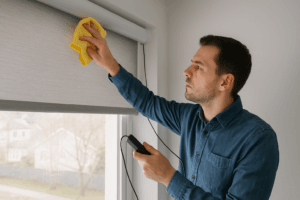
- For interior shades: A quick swipe with a feather duster or the upholstery attachment on your vacuum is usually enough.
- For exterior shades: You can literally hose them down with water and mild soap.
They are designed to handle moisture, so you don’t have to worry about mold or mildew like you would with traditional fabric curtains. They are tough.
Investing in Your Home’s Value
When you install high-quality, custom-fitted window treatments, you are adding to the appraisal value of your home. It’s a fixture. It shows potential buyers that the home is energy efficient and well-cared for.
Cheap, plastic mini-blinds from a big-box store generally have to be replaced every few years because they warp, yellow, or break. PowerShades are built to last. We are talking about durable hardware and fabrics that are rated for heavy use.
Think about the cost of replacing your hardwood floors because the sun bleached them out. Or the cost of reupholstering your furniture. When you factor in the protection of your assets and the energy savings, the return on investment for solar screens is actually quite high.
So, Is It Right For You?
If you are tired of running the AC constantly, if you can’t watch TV during the day because of the glare, or if you just want to update the look of your home with something modern and functional, then yes, solar screens are probably the right move.
It’s about taking control of your environment. You live in Utah because you love the outdoors—your windows should help you enjoy that, not force you to hide from it.
Whether you need a single shade for a kitchen window or a fully automated system for a commercial building, getting the fit and the fabric right is crucial. That’s where we come in.
We know the Salt Lake City climate, and we know how to engineer shade solutions that handle our specific brand of sunshine.
Ready to reclaim your view and cool down your home? Give us a call at 801-518-5242 to chat about your Options. You can also visit our website to Request A Free Quote and see how PowerShades can change the way you look at your windows.